

When someone in your family is struggling, it’s natural to think the solution lies in helping that one person. But what if we told you that the most promising pathway to changing an individual concerns actually involves the whole family stepping into the story together?
At our core, we’re all connected by invisible threads of shared experiences, learned patterns, and interwoven narratives. When one family member faces challenges like anxiety, depression, or behavioral concerns, these struggles rarely exist in isolation. They’re often part of a larger family or social context that’s been unfolding for years, sometimes decades.
The Interconnected Web of Family Stories
Think of your family as co-authors of an ongoing story. Each person contributes their own chapter, but the plot lines intersect, influence each other, and create themes that run throughout the entire narrative. When one author finds that their ideas for a story cannot be written as they might hope, it affects their confidence in their role as co-author.
Individual therapy certainly has its place and can offer valuable insights. However, research consistently shows that when families come together to address individual concerns, the results are far more promising and lasting. Why? Because families have the unique power to break free from old patterns once new understandings and ideas are shared between its members.
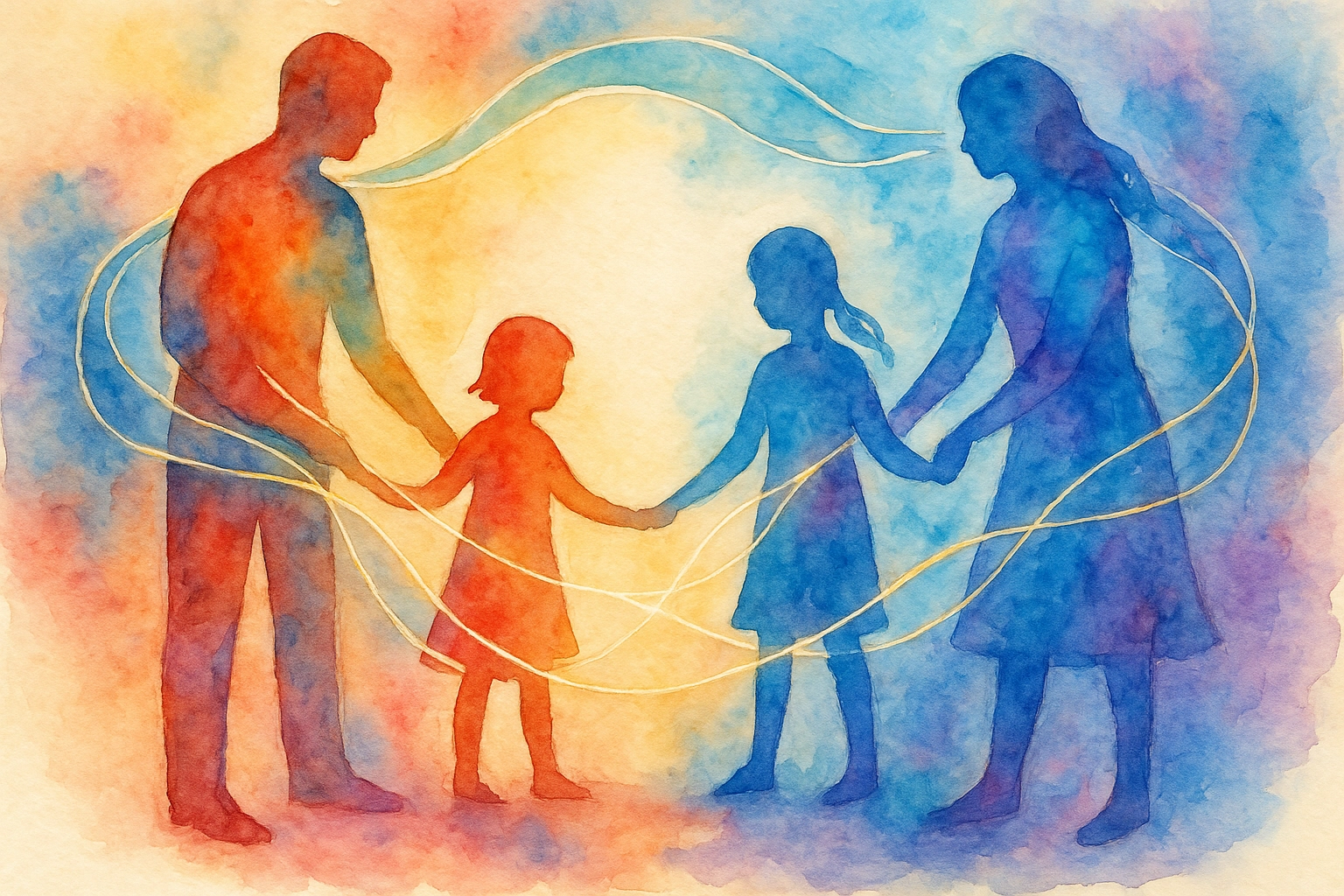
Consider how communication styles, coping mechanisms, and relationship dynamics get passed down like family heirlooms. Sometimes these inherited patterns serve us well, but other times they create ongoing challenges that no single person can resolve alone. When families collaborate in therapy, they can identify these generational patterns and consciously choose to forge new pathways forward.
Why Individual Stories Need Family Context
Imagine trying to understand a movie by watching only one character’s scenes while ignoring everyone else’s dialogue and actions. You’d miss crucial plot points, motivations, and the full picture of what’s really happening. The same is true when we try to address individual concerns without considering the family system.
When families participate together in therapy, something remarkable happens. The person who seemed to be “the problem” is no longer carrying that burden alone. Instead, everyone begins to see how family patterns, stress responses, and communication styles contribute to the challenges at hand.
This collaborative approach doesn’t mean pointing fingers or assigning blame. Rather, it’s about exploring how each family member’s story intersects with others and how everyone can play a role in co-authoring the story of the life of the family.
The Transformative Power of Shared Healing
Family participation in therapy creates opportunities that individual counseling simply cannot replicate. When family members witness each other’s vulnerabilities, struggles, and growth firsthand, it builds a multidimensional model of how the family portrait that extends far beyond the therapy room.
Parents learn to recognize their child’s anxiety triggers and develop new ways to respond supportively rather than reactively. Siblings discover how their own behaviors might be contributing to family stress and explore alternative approaches. Partners begin to understand how their communication patterns either support or inadvertently undermine each other’s wellbeing.
This shared journey creates what we call ripples in that have far reaching effects. When one family member learns a new coping skill or communication technique during a session, other family members can practice and reinforce these skills at home. The therapeutic work continues between sessions through daily interactions, making progress more sustainable.
Moreover, families who work together in therapy often report feeling more connected and unified. They develop a shared language for discussing difficult topics and create new traditions or rituals that support ongoing emotional health. These collaborative efforts strengthen family bonds while addressing individual concerns.
Breaking Cycles Through Collective Action
Many individual struggles are rooted in patterns that have been cycling through families for generations. Perhaps anxiety gets expressed through perfectionism in one generation and procrastination in the next. Maybe communication breakdowns that began with grandparents continue to impact how family members connect decades later.
When families explore these patterns together, they gain the collective power to interrupt harmful cycles and pioneer new approaches. Grandparents might share stories that help younger family members understand family history. Parents can model healthier coping strategies they’re learning. Children and teens can express their needs more clearly when they feel heard and valued as contributors to the family’s healing journey.
This multigenerational perspective is particularly powerful because it helps family members understand that individual struggles aren’t character flaws or personal failures. Instead, they’re often understandable responses to family dynamics or inherited patterns that can be transformed through conscious, collaborative effort.

Creating New Narratives Together
One of the most promising aspects of family-centered therapy is its focus on co-authoring new family stories. Rather than being stuck in old narratives where one person is “the anxious one” or “the difficult child,” families can explore more complex, nuanced, and hopeful storylines.
This process involves honoring each family member’s unique perspective while building bridges of understanding between different viewpoints. Family members learn to listen differently, express themselves in more honoring ways, and respond to each other with greater curiosity.
The therapeutic space becomes a collaborative workshop where families experiment with new ways of relating. They practice having difficult conversations, explore different conflict resolution approaches, and celebrate small victories together. These shared experiences create positive memories and strengthen the family’s confidence in their ability to navigate future challenges.
The Ripple Effects of Family Collaboration
When families commit to addressing individual concerns together, the benefits extend far beyond the immediate issue at hand. New forms of expression learned in therapy translate to better relationships at work and school. Collaboratoin techniques practiced as a family help everyone manage stress more effectively. Problem-solving approaches developed collaboratively can be applied to future challenges.
Children and teens who experience family therapy often report feeling more valued and heard within their families. Parents frequently discover strengths and resources they didn’t know they possessed. Extended family members who participate gain new insights into family dynamics and their own roles in supporting collective wellbeing.
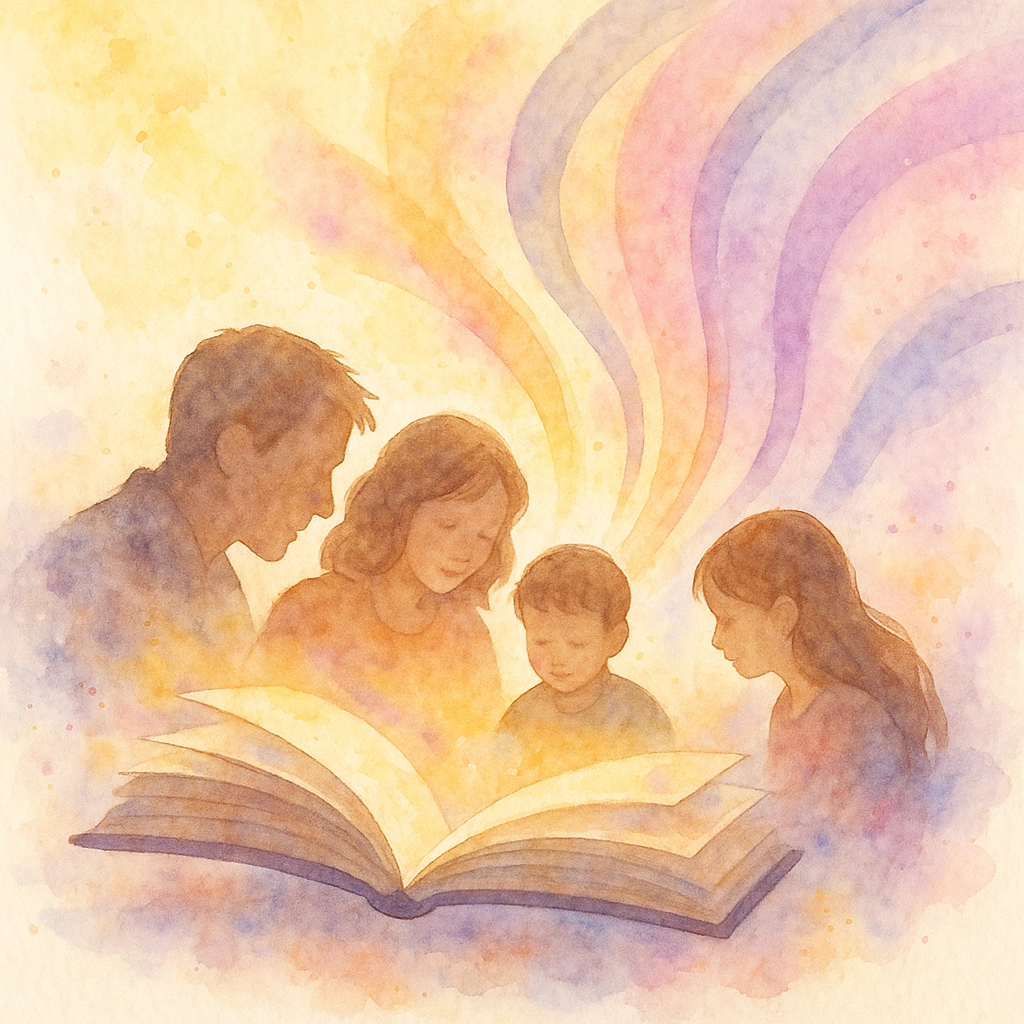
Perhaps most importantly, families who work together in therapy develop a shared sense of resilience. They know they can face difficulties together, support each other through challenging chapters, and co-create solutions that honor everyone’s unique perspective.
Taking the First Steps Together
If your family is considering therapy to address individual concerns, remember that seeking help together takes courage and demonstrates your commitment to each other’s wellbeing. The journey might feel uncertain at first, but families consistently report that collaborative therapy creates deeper connections, more effective communication, and lasting positive changes.
The most promising pathway forward isn’t found in isolation but in the brave choice to explore, grow, and heal together. Your family’s story is still being written, and therapy can help you become more intentional co-authors of the chapters ahead.
When individual concerns are addressed within the context of loving family relationships, healing becomes not just more effective, but more meaningful and enduring for everyone involved.